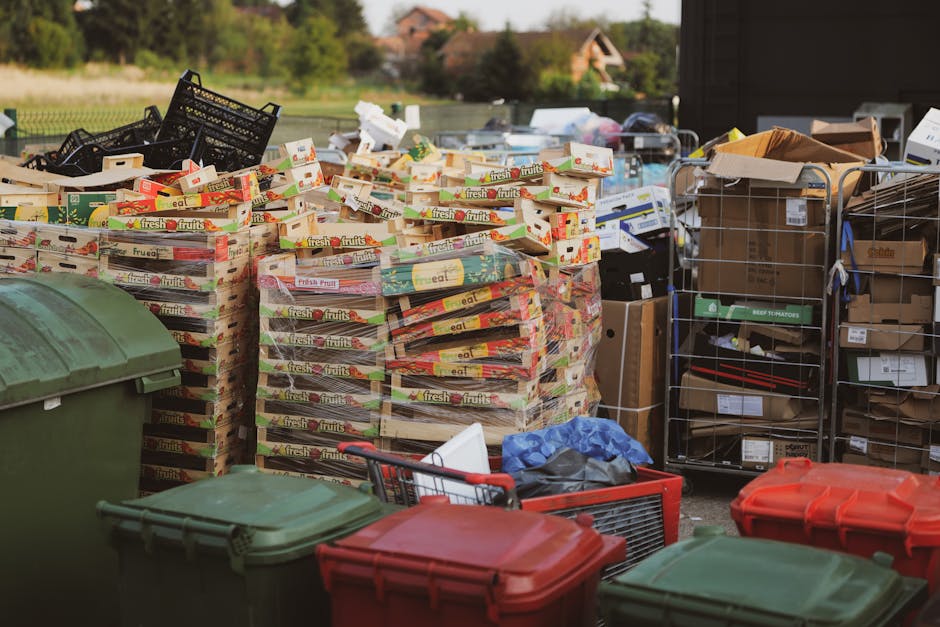
Why Reigate borough council rules matter for rubbish disposal
If you have ever stared at a pile of broken furniture, old boxes, or a garden load that has suddenly got bigger than your boot, you will know the feeling: rubbish disposal looks simple until it is not. That is exactly where why Reigate borough council rules matter for rubbish disposal becomes more than a local paperwork issue. The rules shape what you can leave out, when it can be collected, how it should be sorted, and what happens if you get it wrong. And yes, getting it wrong can be inconvenient, costly, and a bit embarrassing when bags sit there like they are waiting for a verdict.
In Reigate and the surrounding area, council rules are not just red tape for the sake of it. They help keep streets clear, reduce fly-tipping, protect recycling rates, and make sure waste is handled safely and legally. In this guide, we will break down how the rules work, why they matter in day-to-day life, what mistakes people commonly make, and how to deal with rubbish in a way that is practical, compliant, and far less stressful.
Table of Contents
- Why Reigate borough council rules matter for rubbish disposal
- How the rubbish disposal process works
- Key benefits and practical advantages
- Who this is for and when it makes sense
- Step-by-step guidance
- Expert tips for better results
- Common mistakes to avoid
- Tools, resources and recommendations
- Law, compliance, standards, or best practice
- Options, methods, or comparison table
- Case study or real-world example
- Practical checklist
- Conclusion
- Frequently asked questions
Why Reigate borough council rules matter for rubbish disposal
At first glance, council rules can feel like a nuisance. But rubbish disposal is one of those everyday tasks where a little structure saves a lot of trouble. Reigate borough council rules matter because they decide the framework for what counts as acceptable household waste, what needs special treatment, and what should never be left beside a bin bag and hoped for the best.
There is also a bigger picture. When waste is left incorrectly, it can attract pests, create missed collections, block pavements, or lead to items being rejected altogether. That is annoying for one household, but on a street level it becomes a real local issue. Nobody wants a windy morning with torn black sacks skittering down the road. Let's face it, nobody.
For residents, landlords, tenants, and anyone clearing a property, these rules matter because they help answer simple but important questions: Can this go in the bin? Do I need a bulky waste arrangement? Should electricals be separated? Do I need proof that a waste carrier is legitimate? Once you understand the logic, the whole process becomes much more manageable.
It also helps with budgeting. Wrong assumptions about disposal often lead to extra trips, extra charges, or avoidable delays. If you are comparing professional support, pages such as pricing and quotes can help you understand the likely cost structure before you commit to anything.
Practical takeaway: Council rules are not just about compliance. They are about making rubbish removal safer, cleaner, cheaper in the long run, and less of a faff for everyone involved.
How the rubbish disposal process works
Most people only see the final step: bin out, waste gone. But behind that is a chain of decisions that starts with sorting. Different waste streams usually need different handling, and the council framework exists to stop everything being bundled together in a way that makes recycling harder and disposal riskier.
In practical terms, the process usually works like this:
- Identify the waste type. General household waste, recycling, garden waste, bulky items, and electrical waste all tend to need different treatment.
- Check local collection expectations. Collection days, bin presentation rules, and item limits matter more than people expect.
- Separate anything that needs special handling. Sharp items, liquids, batteries, and electrical equipment need care.
- Decide whether council collection is enough. Some loads are small and straightforward; others need a removal service, a reuse route, or a recycling-focused solution.
- Arrange safe transport and lawful disposal. This is where using a responsible provider becomes important, especially for mixed or heavy loads.
For households doing a clear-out, this can feel like overthinking something that used to be simple. But it is usually quicker to sort properly once than to rescue a rejected pile later. And if you have ever stood beside a pile of packaging, old chairs, and half a bathroom cabinet wondering where to start, you will know that clarity is worth a lot.
There is also a legal and ethical side. Waste should not simply disappear into someone else's van and become your problem later. If you are arranging removal, it is sensible to check that the provider takes safety and responsibility seriously. A useful place to review that mindset is the site's health and safety policy and insurance and safety information, especially if you are dealing with heavier items, access issues, or a property clearance.
Key benefits and practical advantages
Understanding and following council rules gives you more than just a clean conscience. It gives you a smoother process from start to finish.
1. Fewer missed collections
When rubbish is sorted and presented properly, it is less likely to be refused. That means less waiting around and fewer unpleasant surprises on collection day.
2. Better recycling outcomes
Rules usually exist to keep recyclable material out of general waste. That helps keep usable material in the right stream rather than buried in mixed rubbish. In plain English: more gets reused, less gets wasted.
3. Lower risk of penalties or complaints
Incorrect disposal can trigger complaints from neighbours, enforcement action in some situations, or disposal costs that rise because everything needs re-handling. Nobody enjoys that phone call.
4. Safer handling
Waste can be surprisingly hazardous. Broken glass, old paint tins, damp mattresses, and electrical items all carry risks. Rules encourage proper handling, which protects you, other residents, and collection crews.
5. Less clutter at home
Truth be told, rubbish left too long has a way of multiplying in the eye of the beholder. Once you follow the right route, the space clears quickly and the whole place feels calmer. You notice the difference the moment the hallway stops being a storage zone.
Who this is for and when it makes sense
This topic matters to more people than you might expect. It is not just for households with overflowing bins.
- Homeowners doing renovations, decluttering, or garden clearance
- Tenants needing to leave a property tidy and avoid disputes
- Landlords and letting agents managing end-of-tenancy clear-outs
- Older residents or families dealing with accumulated household items
- People arranging bereavement clearances where care and efficiency matter
- Small businesses with non-commercial waste that still needs correct handling
It makes sense any time you are dealing with more than the normal weekly bin load. That includes garage clearances, loft clean-outs, garden jobs after a long wet spell, or a move where the "we will sort it later" pile has finally become impossible to ignore.
If you are choosing between doing it yourself and getting help, think about the size of the job, how quickly it needs finishing, and whether any items are awkward or heavy. For many people, a professional route becomes less about luxury and more about practicality. If you want to understand service scope and the company background, the about us page is a sensible starting point.
Step-by-step guidance
If you want to deal with rubbish disposal properly, the easiest route is to work through it in order. No heroics needed.
Step 1: Separate your waste into broad groups
Start with a simple split: general rubbish, recycling, garden waste, electrical items, and bulky items. You do not need to turn the kitchen floor into a sorting station for half a day, but a little structure helps.
Step 2: Pull out anything risky or restricted
Batteries, paint, chemicals, sharps, and broken glass deserve more care than a standard bin bag. If something looks awkward, treat it as awkward. That instinct is usually right.
Step 3: Check what the council will accept and how it should be presented
Rules can cover bin lids, collection times, bag placement, contamination, and bulky item arrangements. Even small details matter. A missed instruction can be enough to leave waste behind.
Step 4: Choose the most efficient disposal route
Not every job needs the same solution. A few bags may be fine for a regular collection, while a large mixed load may be better handled through a dedicated removal. For value comparison, a clear pricing page can be useful, and it often makes the decision much easier.
Step 5: Make sure the waste is handled responsibly
If you are paying someone to remove waste, ask how they deal with recycling, transfers, and responsible disposal. It is a fair question. Responsible operators should welcome it, not dodge it.
Step 6: Keep a record if the job is larger or more sensitive
For landlords, house managers, and anyone handling a substantial clearance, a few notes or photos can help if questions come up later. It sounds a bit formal, but it is useful.
Expert tips for better results
After many clear-outs, one thing becomes clear: small habits prevent big messes. Here are the details people often miss.
- Flatten before you fill. Cardboard, packaging, and soft items take up far more room when left bulky.
- Keep recyclables clean where possible. Food residue can turn a recyclable item into general waste. Simple, but it matters.
- Watch access routes. Narrow halls, steep stairs, and tight parking can turn a straightforward clearance into a longer job.
- Group by material, not by room. It is easier to process a waste stream than a random collection of room-by-room clutter.
- Do not leave it to the last minute. Collection windows, booking lead times, and weather all have a way of getting in the way.
Another small but important tip: if you are unsure about a mixed load, ask before it is piled into bags. One quick question can save a second trip and a lot of grumbling. We have all been there - thinking a load is "basically fine" until it very much is not.
If sustainability matters to you, it is worth looking at the company's recycling and sustainability approach too. That gives a better sense of whether waste will be sorted thoughtfully rather than dumped into the easiest bin.
Common mistakes to avoid
Most rubbish disposal problems are not dramatic. They are small, ordinary mistakes repeated under pressure.
- Mixing everything together. Once recyclable and non-recyclable items are contaminated, recovery becomes harder.
- Assuming bulky items are automatically accepted. Sofas, wardrobes, mattresses, and large furniture often need separate arrangements.
- Ignoring access problems. A clearance team can only move as quickly as the route allows.
- Leaving waste out early. Bags out too soon can create mess, nuisance, or complaints from neighbours.
- Using an unverified waste carrier. If someone removes your rubbish and dumps it illegally, the problem can still come back to you.
- Forgetting special items. Batteries and electricals are easy to overlook because they are small. That is exactly why they get missed.
A lot of issues come down to rushed decisions. A better plan beats a bigger bin. Almost every time.
Tools, resources and recommendations
You do not need fancy equipment to manage rubbish well, but a few practical tools make life easier.
| Tool or resource | What it helps with | Why it matters |
|---|---|---|
| Strong bin bags | Containing mixed household waste | Prevents tearing, spills, and awkward clean-ups |
| Labels or markers | Separating recycling, general waste, and keep items | Reduces confusion on the day |
| Gloves and basic protective gear | Handling sharp, dusty, or dirty items | Improves safety, especially during clear-outs |
| Measuring tape | Checking item size for collection or removal | Helps avoid last-minute surprises |
| Service pages and policy pages | Understanding process, safety, and terms | Builds trust before you book |
For readers comparing providers, the most useful supporting pages are usually the ones that explain how quotes work, how payments are handled, and what standards are followed if something goes wrong. That is where payment and security, terms and conditions, and complaints procedure can offer reassurance without forcing the issue.
If you have a specific question or a job that is not straightforward, the contact us page is the right place to start. A short conversation often clears up far more than a long guess.
Law, compliance, standards, or best practice
Rubbish disposal touches on compliance even when the job feels small. In the UK, people are generally expected to dispose of waste responsibly, avoid causing nuisance, and ensure that waste is passed to a legitimate handler when they are not using a household collection route. The exact details depend on the type of waste and the arrangement involved, so it is sensible to treat any legal point carefully rather than assume every item follows the same rule.
Good practice usually means three things:
- Correct segregation so recyclable and hazardous items are not mixed with general rubbish
- Safe presentation and handling so collections can happen without avoidable risk
- Responsible onward disposal so waste does not end up fly-tipped or mismanaged
If you are a landlord, managing agent, or anyone handling waste for another party, the standards should be even tighter. That is partly about care, partly about liability, and partly about reputation. Nobody wants a "mystery pile" turning into a formal problem later.
Best practice also includes being honest about what you have. If a load contains mixed materials, heavy items, sharp debris, or restricted waste, say so early. It helps the removal plan, the vehicle selection, and the time estimate. It also prevents unnecessary back-and-forth, which is one of those tiny headaches that somehow feels huge on a busy day.
Options, methods, or comparison table
There is no single best way to deal with rubbish. The right option depends on volume, urgency, item type, and how much effort you want to spend doing the work yourself.
| Method | Best for | Pros | Trade-offs |
|---|---|---|---|
| Standard household collection | Everyday rubbish and ordinary recycling | Simple, routine, low effort | Limited capacity, strict presentation rules |
| Bulky waste arrangement | Large items like furniture or mattresses | Designed for bigger objects | May require booking and item limits |
| DIY transport to a suitable facility | People with vehicles and time | Flexible and hands-on | Requires lifting, sorting, and travel |
| Professional clearance service | Mixed loads, time-sensitive jobs, awkward access | Fast, organised, less physical work | Usually higher cost than doing it yourself |
For many households, the choice comes down to effort versus convenience. If the job is small, DIY may be fine. If it is a full house clearance or a heavy mixed load, professional help often wins on time, safety, and peace of mind. Simple really.
Case study or real-world example
Imagine a family in Reigate preparing a property for sale after years of accumulation. The garage contains old paint tins, broken shelving, garden waste, flattened boxes, a tired sofa, and a few electrical bits that nobody remembers buying. At first, the plan is "we'll do it over the weekend". By Saturday afternoon, the driveway looks more like a staging area than a home improvement project.
What changes the outcome is not brute force. It is sorting. They separate the recyclable cardboard, move the electrical items into one area, keep the paint and other tricky items apart, and decide that the sofa and larger furniture are better handled by a removal service rather than trying to squeeze everything into a couple of bin collections.
Once the load is clear and the access is checked, the rest becomes much easier. The job finishes without repeated lifts, without rejected items, and without the awkward "where on earth does this go?" moment. The home looks calmer by the end of the day, and the family can focus on the move rather than the rubbish.
That is the real value of council rules in action. They create a structure that helps you make better decisions quickly. Not flashy, but effective.
Practical checklist
Use this checklist before you arrange disposal or collection:
- Have you separated general waste from recycling?
- Are batteries, sharps, chemicals, and liquids removed or isolated?
- Do any bulky items need a separate arrangement?
- Have you checked the collection day or booking window?
- Is access clear for lifting and loading?
- Do you know which items are likely to be rejected if mixed together?
- Have you chosen a responsible disposal route?
- Do you have enough time to complete the job properly?
- If using a provider, have you reviewed the practical details and paperwork?
If you can tick most of those boxes, you are probably in good shape. If not, pause for a minute and reset the plan. That tiny pause often saves hours later.
Conclusion
Reigate borough council rules matter for rubbish disposal because they turn a messy, uncertain task into something manageable, safe, and fair. They protect local streets, support better recycling, reduce nuisance, and help you avoid costly mistakes. More importantly, they give you a clear structure when life is already busy enough.
Whether you are clearing a loft, preparing a move, dealing with bulky furniture, or simply trying to stop waste from taking over the week, the right approach is the same: sort carefully, follow the local expectations, and choose the disposal method that fits the job. That is how you keep things simple, and honestly, simple is underrated.
If you want a clearer idea of what is involved before you book anything, explore the company's service information, safety guidance, and pricing pages so you can make a confident decision.
Get a free quote today and see how much you can save.
And if you are still on the fence, remember this: the best rubbish plan is the one that leaves you with less stress, more space, and one less thing hanging over your head.
Frequently Asked Questions
Why do Reigate borough council rules matter for rubbish disposal?
They matter because they set the standards for what can be collected, how waste should be presented, and how to avoid problems such as rejected items, nuisance, or unsafe disposal. In practice, they make waste management more orderly and reliable.
What happens if I put the wrong rubbish out?
Your waste may be left behind, separated for later handling, or reported if it creates a nuisance. The exact outcome depends on the type of waste and the collection route, but the main point is that mistakes usually create delays.
Can I put bulky items out with normal rubbish?
Usually not. Large furniture, mattresses, and similar items often need a separate arrangement or a specific collection method. It is better to check first than to hope it will be accepted.
Do I need to sort recycling before disposal?
Yes, that is generally the sensible approach. Sorting recyclable material from general waste helps improve recovery, reduce contamination, and make collections more efficient.
What should I do with batteries and electrical items?
Keep them separate from normal household rubbish. Batteries and electrical items often need specific handling because of safety and recycling concerns. Small items are easy to forget, so do one last check.
Is it better to do a clearance myself or use a professional service?
That depends on size, access, urgency, and physical effort. Small jobs can be fine DIY, but larger mixed clearances are often quicker and safer with professional help. No shame either way.
How can I tell if a waste removal provider is trustworthy?
Look for clear pricing, safety information, insurance details, terms, and a proper complaints process. Good providers are usually transparent about how they work and what happens if something goes wrong.
Why does council compliance affect cost?
Because improper sorting, awkward access, or restricted items can increase the time and effort needed to deal with the waste. The more complex the job, the more important it is to describe it accurately upfront.
What is the biggest mistake people make with rubbish disposal?
The biggest mistake is probably assuming everything can be lumped together and sorted out later. That rarely ends well. A little sorting at the start saves a lot of hassle later on.
What if I am clearing a house after a move or bereavement?
In those situations, pace and care matter. It helps to work methodically, separate sentimental items from waste early, and choose a route that reduces stress. A measured approach usually feels much better than a rushed one.
Where can I find more information about service standards and support?
Useful places to check include the company's terms and conditions, privacy policy, and contact us page. They help set expectations before you go any further.
What is the most practical first step if I have a lot of rubbish?
Start by sorting the waste into broad categories and identifying anything bulky or restricted. Once you know what you have, the next decision becomes much easier. That first ten minutes really does set the tone.