House Clearance in Reigate
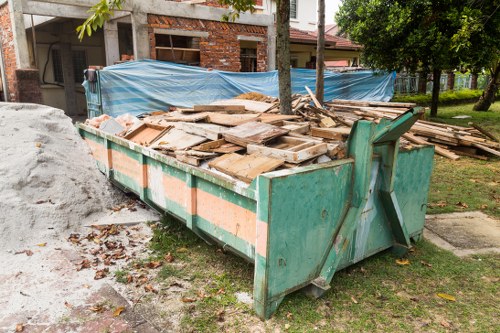
House clearance in Reigate should feel organised, careful and straightforward, whether you are clearing one room, a whole property or a mix of household items that need sorting. Our service is set up to handle practical clearance work with attention to what can be removed, what may need separating, and how to leave the property ready for its next step. That includes furniture, general household contents, and items that are best dealt with through proper disposal or recycling channels.
If you are arranging a clearance after a move, a tenancy change, a renovation or a family property review, it helps to work with a team that keeps the process simple. We can manage larger collections of domestic items as well as more focused removals from lofts, garages and spare rooms. The aim is to make the job clear from the start, so you know what is being cleared and what the visit is intended to achieve.
Use the service to reduce clutter, clear usable floor space and deal with awkward household contents without trying to break the work into too many separate jobs. For a tailored quotation, get in touch and tell us what needs clearing.
Complete house and home clearance
Our main house clearance service covers domestic clearances of different sizes, from single-room clearances to full-property work. It is designed for homeowners, landlords, executors and anyone who needs household contents removed in a planned way. We can clear furniture, white goods, general rubbish, mixed household items and other belongings that no longer need to stay on site. The service is especially useful where there is a mix of items rather than one simple load.
In many cases, a house clearance is best when the contents need sorting rather than just shifting. Some items may be suitable for reuse, some may be recyclable, and some will need disposal. Our home clearance service sits well alongside that approach, because it focuses on removing the contents of lived-in homes with practical attention to the layout and the volume of items involved. That can include upstairs rooms, cupboards, hallways and storage spaces that are easy to overlook at first glance.
Furniture, loft and garage removals

Domestic clearance often becomes easier when the work is broken down by location and item type. Heavy furniture, boxed possessions and stored items in harder-to-reach spaces can all require different handling. Sofas, wardrobes, tables and assorted household furniture often need more room to remove safely, while loft contents and garage clutter may include mixed belongings that need identifying before they go. Clearing these areas properly can make the whole property easier to manage.
Furniture clearance is useful where larger items are the main concern and you want them taken away without having to organise separate disposal yourself. For storage areas, loft clearance and garage clearance help when the challenge is less about one piece of furniture and more about years of accumulated belongings. These services can be combined when a property needs several parts cleared at the same time.
Typical household clearance work in this category may include wardrobes, chests of drawers, shelving, tools, suitcases, boxes, ornaments and general stored items. A sensible first step is to identify anything that must be kept, then group the rest into what can be removed. That makes the practical side of the visit quicker and easier to follow, especially when more than one room or storage area is involved. Clear sorting before removal can also reduce unnecessary handling.
Furniture disposal and recycling decisions
Some household items are straightforward to remove, while others need a bit more consideration because of their size, material or condition. Furniture disposal is often about deciding whether an item should be reused, recycled or taken away for standard disposal. Mattresses, cabinets, shelving, desks and soft furnishings can all fall into this category, and the right route depends on what the item is made from and how it is presented for collection.
Furniture disposal supports customers who want a simple route for items that are no longer wanted, without having to manage the process piece by piece. Where sustainability matters, recycling and sustainability explains how material separation and responsible disposal fit into the wider service. Not everything can be reused, but good sorting helps keep the clearance practical and avoids treating every item in exactly the same way.
What household clearance can include

A well-planned house clearance can cover far more than one-off junk removal. It may include mixed domestic contents from living rooms, bedrooms, kitchens, utility rooms and storage cupboards, as well as items left behind after a tenancy ends or a property changes hands. The point is to remove the right things in one organised visit rather than asking the customer to arrange several smaller collections for different parts of the home.
In practical terms, this can mean removing furniture, small appliances, bags of miscellaneous items, bric-a-brac, books, household textiles and unwanted contents from outbuildings or cupboards. A tidy clearance usually starts with deciding what should stay where it is. Then the remaining items can be grouped for removal. This keeps the work focused and helps avoid confusion about personal belongings or things that still have value to the household.
Good clearance work is careful work: it is about removing what has been agreed, not simply emptying a property at speed. If you have a partial clearance in mind, or there are rooms that need to be left untouched, make that clear before the job begins. We can then shape the visit around those instructions and keep the service aligned with the property’s needs.
House clearance for moves, estates and tenant changes
House clearance is often needed at moments when a property is changing hands or being prepared for a new chapter. That can include the end of a tenancy, downsizing, a property sale, probate-related work or a move into smaller accommodation. In those situations, it helps when the clearance is handled with a calm, methodical approach that takes account of what has to go, what may be kept and what should be left in place.
For properties that need a broader once-over, our house clearance service is the natural fit, because it is aimed at complete domestic clearances rather than a single item or isolated room. If the job is more limited, or the property is a smaller unit, flat clearance can be a better match. The useful point is to choose the level of clearance that fits the property, so the work is neither overcomplicated nor under-scoped.
About Reigate
Reigate is a historic market town in Surrey, set on the northern edge of the Greensand Ridge and closely associated with the slopes of the North Downs. Its older streets and buildings reflect a long-established settlement pattern, with the town centre anchored by the main shopping streets, parish church and market presence that developed over centuries. Reigate Castle, now known mainly through its earthworks and park setting, points to the town’s medieval importance, while the surrounding landscape has long shaped how the settlement expanded. The town sits near the routes that cross Surrey between London and the south coast, so transport links and movement through the area have remained significant for a long time. Reigate Priory Park provides one of the town’s best-known open spaces, combining public recreation with historic grounds connected to the former priory site. The town also has a strong architectural mix, with period houses, civic buildings and later suburban development appearing alongside older streets. Reigate and the adjoining built-up area of Redhill form a closely linked local centre, yet Reigate retains its own identity through its high street, green spaces and historic character. Nearby countryside, including walks on the Downs, adds to the town’s appeal and gives it a landscape context that is easy to recognise from many parts of Surrey.
Sorting, access and quotation details

To prepare a quotation for house clearance, it helps to know the type of property, the rooms involved and the sort of items that need removing. A simple list is often enough to begin with, especially if the job includes bulky furniture, several storage areas or mixed contents that need separating. If there are items you want to retain, or parts of the property that are off limits, it is best to mention that early so the scope stays clear.
Access can also affect how the work is organised, particularly where stairs, narrow hallways, upper floors or locked storage areas are involved. If the clearance includes garden buildings, loft spaces or garages, it is useful to note that too, because these areas often contain awkwardly stacked or long-stored items. Photographs can help when a visit needs estimating from a distance, but a written description is equally useful when the contents are straightforward. Clear information leads to a clearer quotation.
If you are ready to discuss the work, ask for a quotation and tell us what needs clearing. A brief outline is enough to start the conversation, and it helps to include any timing considerations or special instructions. For pricing information, you can also look at pricing and quotes before you send the request.
Domestic clearance options by room and content
Not every clearance starts with the whole house. Sometimes the most practical job is a targeted room clearance, especially where one area has become the main storage point for unwanted belongings. Bedrooms, dining rooms, studies and spare rooms can all accumulate furniture, boxes and loose household goods over time. A room-by-room approach lets you clear the most useful spaces first while leaving the rest of the property undisturbed.
The same idea applies to kitchens, utility spaces and dining areas, where household items may be a mixture of appliances, crockery, chairs, small tables and general clutter. The important part is not the label of the room but the work needed to make it usable again. If the contents are no longer required, a focused clearance can remove them in one visit and avoid the repetition of sorting the same items more than once.
When you want a broader residential clean-out, it can be useful to compare the structure of the job with home clearance and the more general waste removal service. The first is better for domestic contents that need careful handling, while the second fits mixed unwanted materials that are ready for collection. Matching the service to the task keeps the process simpler and more cost-effective to organise.
Commercial and specialist clearances
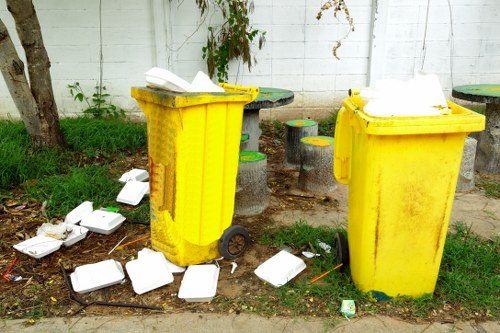
Although house clearance is the main focus here, some customers also need similar help in business premises or mixed-use buildings. Offices, storage areas and premises with outdated furnishings can all generate bulky items that need removal in a planned way. The same careful approach to sorting and disposal applies, even when the setting is not a private home. It is still important to identify what is being removed and what must remain on site.
For those situations, office clearance and business waste removal are relevant service pages to review. Where the work is mainly about debris from alterations or refurbishment, builders waste clearance may be the better fit. These pages help distinguish between domestic contents, workplace items and heavier mixed waste streams, so the request can be directed to the right kind of clearance.
Whatever the setting, the same useful principles apply: list the main items, note any access limits and make clear whether the task is partial or complete. If you need a quotation, ask now and include a short description of the property, the rooms involved and any items that need special handling. That gives us the information needed to shape the work properly.